
Introduction
Let’s face it — the world has changed. Gen Z doesn’t buy into flashy TV ads or catchy taglines anymore. They crave authenticity, connection, and trust — and that’s exactly what influencers provide. While traditional brands shout messages, influencers start conversations. But why exactly does Gen Z trust influencers more than brands? Let’s dive in.
Who Exactly Is Gen Z?
Gen Z refers to people born roughly between 1997 and 2012. They’re the first generation to grow up fully digital — scrolling TikTok, swiping Instagram, and binge-watching YouTube instead of cable TV. For them, the internet isn’t a tool — it’s a lifestyle.
How Gen Z Differs from Previous Generations
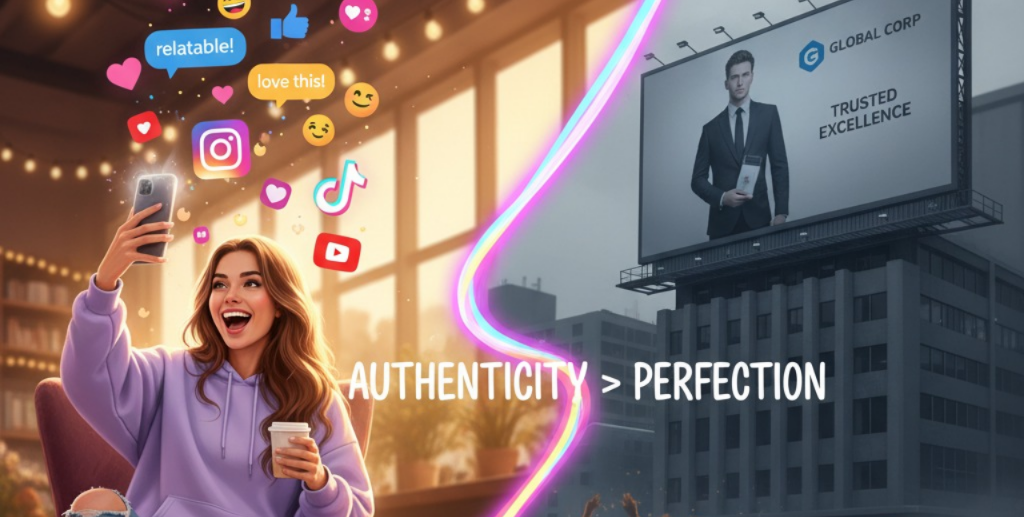
Unlike millennials or Gen X, Gen Z values realness over perfection. They don’t want overly edited content; they prefer seeing someone spill coffee during a vlog rather than a polished commercial. To them, imperfection equals honesty, and honesty builds trust.
The Rise of Influencer Culture
From Emma Chamberlain to Khaby Lame, influencers have redefined marketing. They’ve turned personal hobbies into powerful online empires. Platforms like Instagram, YouTube, and TikTok have become stages for creators who share unfiltered experiences — something Gen Z deeply resonates with.
Why Traditional Branding No Longer Works
Traditional marketing focuses on sales and perfection. But Gen Z spots insincerity in seconds. According to Forbes, nearly 63% of Gen Z prefers content from influencers over brands because influencers seem more human and relatable.
When brands use loud ads or scripted campaigns, Gen Z scrolls away faster than you can say “sponsored.”
Authenticity: The Core of Gen Z’s Beliefs
Gen Z’s motto? “Be real or be gone.”
They crave authentic interactions — not corporate buzzwords. Influencers often share their struggles, behind-the-scenes moments, and honest opinions. This transparency helps Gen Z feel like they’re part of a community, not just a target market.
How Influencers Build Trust
Influencers earn trust by showing up consistently and sharing personal experiences. When an influencer recommends a product, Gen Z listens because it feels like advice from a friend.
Compare that to a brand ad — full of actors, perfect lighting, and exaggerated claims. It’s no surprise who wins.
The Power of Micro-Influencers
Not all influencers have millions of followers. Micro-influencers (with 10k–50k followers) often get higher engagement rates than celebrities. Why? Because they connect deeply with niche audiences.
For example, a skincare influencer reviewing products in her bedroom feels more real than a glossy brand ad on YouTube.
Real Conversations vs. Brand Promotions
Brands often talk at people, while influencers talk with them. Influencers reply to DMs, run polls, share bloopers — they make followers feel heard.
Gen Z values community-driven content, and influencers are the bridge between social connection and marketing.
Social Media: The Playground of Gen Z
From TikTok trends to Instagram reels, Gen Z practically lives on social media. They follow influencers for fashion advice, product reviews, or even mental health tips.
Websites like Hootsuite and Sprout Social report that more than 70% of Gen Z rely on influencers before making a purchase decision.
Why Gen Z Prefers Influencer Recommendations
Simple — influencers are relatable humans, not faceless brands. Gen Z knows that influencers also make money through brand deals, but as long as they stay honest, followers don’t mind.
A skincare review from a YouTuber like Hyram feels more genuine than a press release from a brand like L’Oréal.
Case Studies: Influencer Impact in Real Brands
- Dunkin’ and Charli D’Amelio – Dunkin’ saw a massive spike in sales when the TikTok star partnered with them.
- Gymshark and fitness influencers – The brand built its empire through influencer collaborations, not traditional ads.
- Fenty Beauty by Rihanna – The brand relies heavily on influencers and user-generated content to showcase inclusivity.
These examples prove that influencer marketing isn’t a trend — it’s a revolution.
The Emotional Connection Factor
Gen Z doesn’t just buy products — they buy stories. Influencers share real-life experiences that evoke emotion. When they show vulnerability, it builds a bond that’s impossible for brands to replicate with marketing jargon.
Transparency and Relatability
Influencers thrive on openness. They admit mistakes, show product fails, and even discuss mental health. This realness resonates with Gen Z’s values of honesty and empathy.
Brands that ignore these emotional factors risk becoming irrelevant.
Brands Learning from Influencers
Some smart brands are finally paying attention. They’re hiring influencers to co-create campaigns, produce authentic videos, and even manage brand accounts.
According to HubSpot, influencer-led campaigns now outperform traditional digital ads by over 50% in engagement.
How Brands Can Collaborate Better with Influencers
- Give creative freedom — Let influencers talk in their own voice.
- Focus on long-term partnerships — Gen Z loves consistency.
- Highlight shared values — Collaborations should feel authentic, not forced.
The key is trust — if influencers trust the brand, their followers will too.
Top Platforms Where Influencers Rule
- TikTok: For viral trends and short-form storytelling.
- Instagram: For lifestyle and visual branding.
- YouTube: For in-depth reviews and tutorials.
- X (formerly Twitter): For opinions and real-time engagement.
These are Gen Z’s daily hangout spots — and influencers dominate them all.
Future of Influencer Marketing with Gen Z
The future looks even more creator-driven. Gen Z influencers are now launching their own brands — like MrBeast’s Feastables or Emma Chamberlain’s Coffee.
The line between influencer and entrepreneur is blurring fast, and brands must adapt or fade away.
Conclusion
At the end of the day, influencers are the new-age storytellers, and Gen Z are the most active listeners. They don’t want polished perfection; they want honest emotion.
So, if brands want to win Gen Z’s heart, they must think less like advertisers and more like influencers — real, relatable, and raw.
FAQs
1. Why does Gen Z trust influencers more than brands?
Because influencers are authentic, transparent, and relatable — traits brands often lack.
2. Are influencers replacing brand ads completely?
Not entirely, but influencer marketing is becoming the most effective form of promotion for Gen Z audiences.
3. What platforms are most popular among Gen Z influencers?
TikTok, Instagram, and YouTube lead the pack for influencer marketing success.
4. Do Gen Z care if influencers are paid for promotions?
As long as influencers remain honest about their opinions, Gen Z doesn’t mind sponsored posts.
5. How can brands earn Gen Z’s trust again?
By collaborating genuinely with influencers, showing transparency, and building authentic community relationships.
If you enjoyed this blog, reach out to me — Utsab — for digital marketing services and explore more insightful blogs on my page.